
W skrócie
- A hooklift pulls the container onto the frame with a hook arm. A skip loader lifts the container on chains with two arms.
- Hook-lift containers follow DIN 30722; skips follow DIN 30720.
- A skip loader works with smaller containers (e.g. 7 m³ skips). A hooklift handles larger containers and swap bodies.
- From 2035 EU CO2 standards will cover vocational vehicles, including refuse trucks and tippers.
- DIN 30722 hook-lift containers
- DIN 30720 skip containers
- 2035 vocational vehicles in EU CO2 rules
How the two systems work
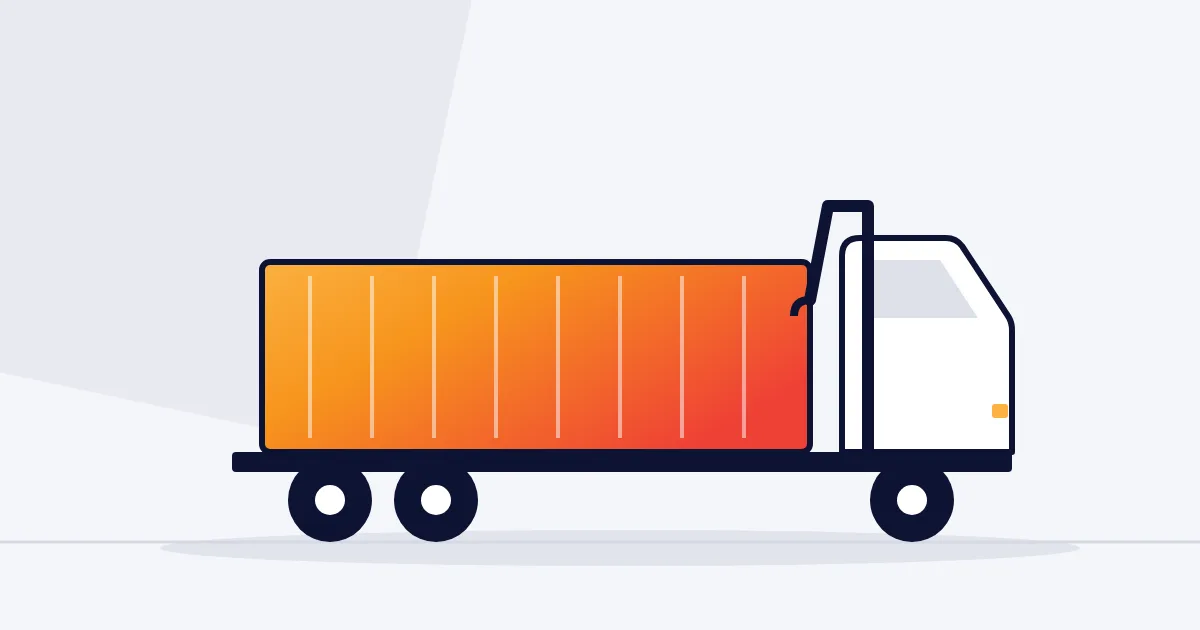
A hooklift has an arm ending in a hook. The hook engages the container's bail bar and the arm pulls it over rollers onto the truck frame. The same truck can carry waste containers, cargo boxes, tanks and other swap bodies with a hook frame.
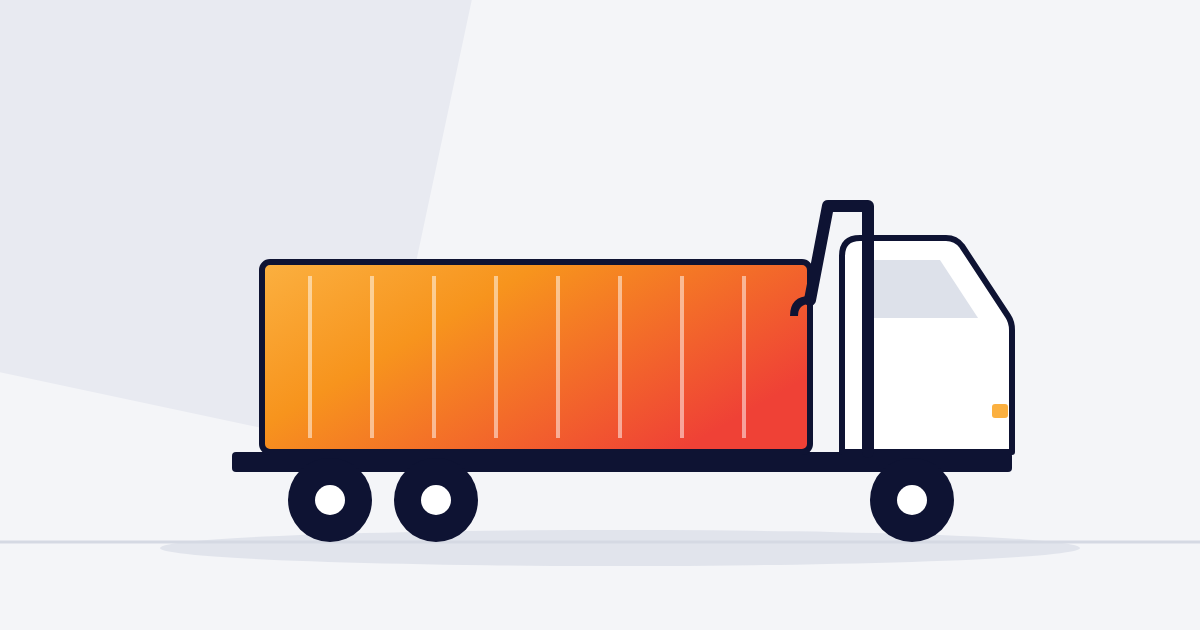
A skip loader has two arms forming a gantry. The skip is lifted on chains attached to four lugs and set down on the frame or on the ground. The containers are smaller and the design is simpler.
Hooklift truck lifting a waste container
Comparison
| Feature | Hooklift | Skip loader |
|---|---|---|
| Mechanism | Hook arm, container pulled over rollers | Two arms, container lifted on chains |
| Containers | DIN 30722, usually larger | DIN 30720, smaller skips |
| Swap bodies | Yes: boxes, tanks, special containers | Skips only |
| On site | Container rolled over the ground | Container lowered vertically |
| Typical use | Bulky waste, rubble, scrap, swap bodies | Building-site and household waste, smaller rubble loads |
| Key order parameter | Hook capacity, container length | Capacity, arm spread, lug type |
How to choose
- Check the containers already in the depot. The system must match existing containers and their standard.
- Assess pickup locations. Narrow streets and private plots more often call for smaller skips.
- Count the load weight. Rubble and soil are heavy: capacity depends on weight, not container volume.
- Swap bodies. If the truck must also carry boxes, tanks or special containers, the choice is usually a hooklift.
- Plan for the long term. From 2035 EU CO2 standards will cover vocational vehicles. On an electric chassis, hydraulic power must be agreed in advance.
What to put in the enquiry
- Equipment capacity (t) and container type: standard, lengths, volumes.
- Chassis: existing or to be sourced, GVW, wheelbase, number of axles.
- Controls: in-cab, remote, container locks.
- Equipment: cover net, work lights, toolbox.
- Delivery date, place and service region.
Frequently asked questions
What is the difference between a hooklift and a skip loader?
A hooklift pulls the container over rollers with a hook arm. A skip loader lifts it on chains with two arms. Hooklift containers follow DIN 30722, skips DIN 30720.
Which is better for narrow streets?
Usually a skip loader, as it works with smaller containers set down vertically.
Can a hooklift carry bodies other than containers?
Yes, if they have a hook frame: cargo boxes, tanks and special containers.
Sources
Trucklo routes truck bodywork enquiries to manufacturers who build them.