
W skrócie
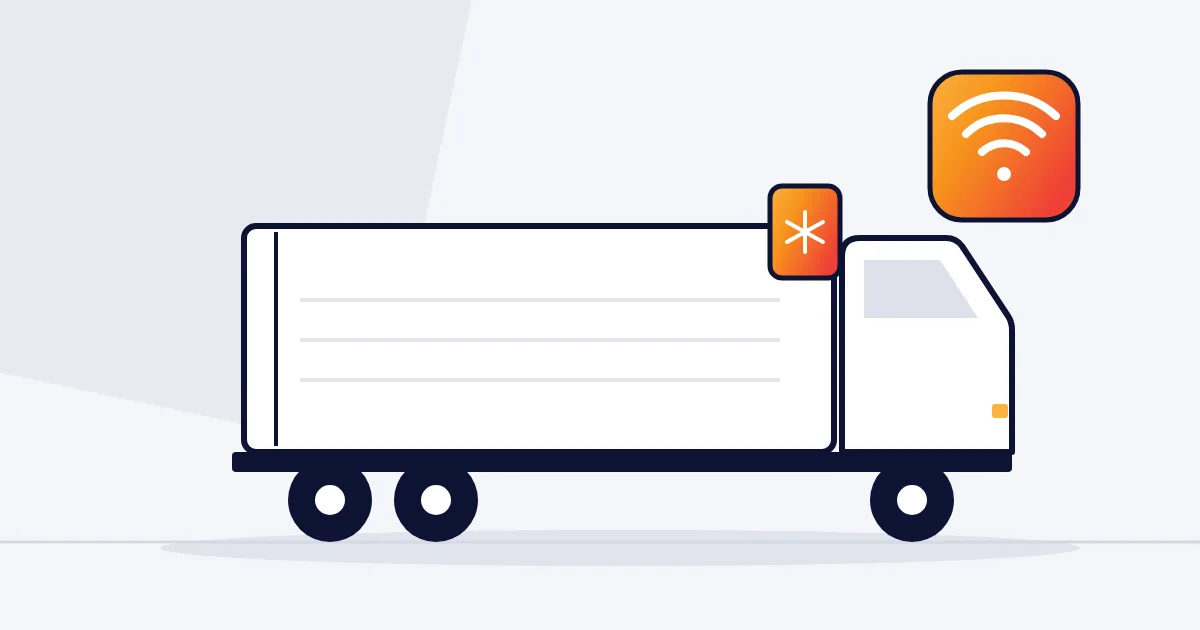
- Body monitoring collects sensor data: temperature, door openings, unit status, location, sometimes axle loads and equipment use.
- For frozen food, temperature recording is mandatory (Regulation 37/2005); for medicines, GDP procedures require it.
- The real value is a live alert before the load spoils, not a report afterwards.
- Location data that can be linked to a driver is personal data, so the GDPR applies.
- EN 12830 temperature recorder standard
- 1 year minimum retention of frozen-food temperature records
What can be monitored
| Data | Why | Bodies |
|---|---|---|
| Temperature at several points | proof of transport conditions, deviation alarm | reefers, insulated bodies |
| Door openings | delivery control, theft protection | box bodies, reefers |
| Unit status | alarms, running hours, service planning | reefers |
| Location | planning, customer updates | all |
| Axle loads | overload control | tippers, box bodies |
| Equipment use | tail lift cycles, crane use, raised tipper body | working equipment |
Monitoring and the rules
For frozen food, Regulation (EC) No 37/2005 requires temperature recorders compliant with EN 12830 and records kept for at least one year. For medicines, the GDP guidelines (2013/C 343/01) require temperature conditions in transport to be controlled and documented. A telematics system can collect these records automatically, but the recorder itself must meet the standards.
If location data can be linked to a driver, it is personal data. The employer must then meet GDPR requirements, including informing employees about the monitoring.
When it pays
Monitoring makes sense when the load is valuable or sensitive, when customers require proof of transport conditions, or when the fleet is large and hard to check by hand. For a small fleet with simple loads, a recorder read out after the trip is often enough. Before buying, check the subscription cost and whether the data can be exported to the system you already use.
Questions for the system supplier
- Which sensors are supported: and can more be added later
- How alarms work: SMS, email, app, thresholds
- Where the data is kept: who owns it and for how long
- Integration: with your fleet system and customers' systems
- Compliance: EN 12830 for temperature recorders
Frequently asked questions
Is temperature monitoring mandatory in a reefer?
For frozen food, yes: Regulation 37/2005 requires recorders compliant with EN 12830. In other cases the shipper often requires it.
What does telematics add to a body?
Live alerts, proof of transport conditions for customers, data for service planning and control over equipment use.
Does vehicle monitoring fall under the GDPR?
Yes, if location data can be linked to a specific driver.
Sources
- EUR-Lex: Regulation (EC) No 37/2005 (temperature monitoring of quick-frozen foodstuffs)
- EUR-Lex: Guidelines on Good Distribution Practice of medicinal products (2013/C 343/01)
- EUR-Lex: Regulation (EU) 2016/679 (GDPR)
Trucklo routes truck bodywork enquiries to manufacturers who build them.