
W skrócie
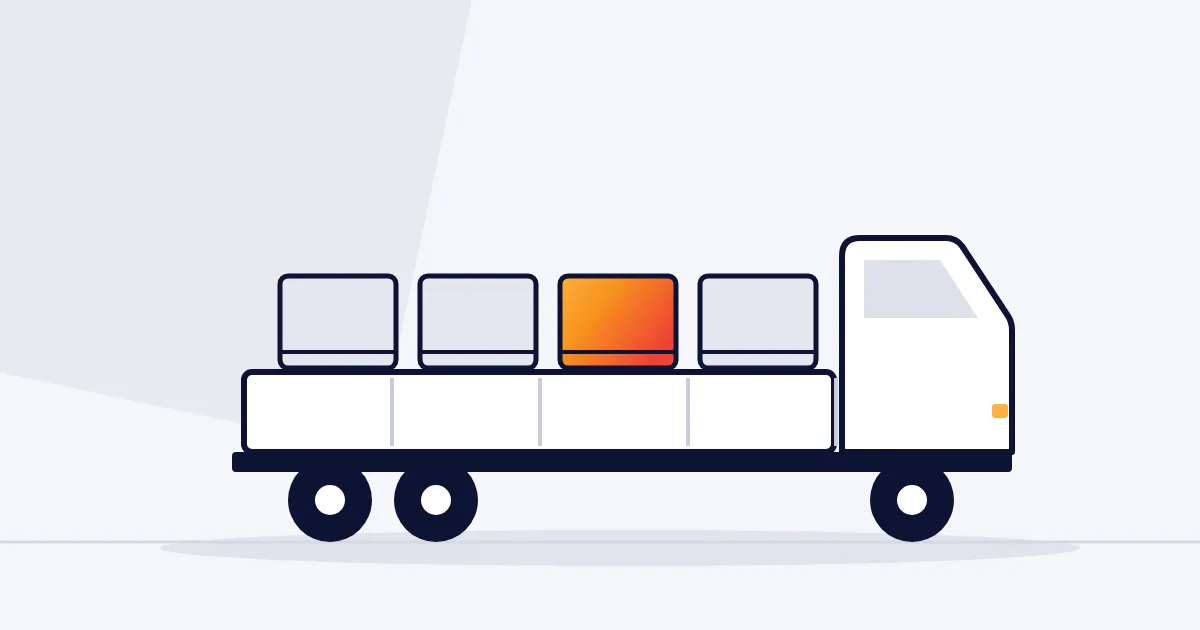
- A dropside body is an open cargo box with sides that is easy to load from the side, the rear and from above.
- The usual variants are a standard dropside, a dropside with a tilt, a dropside with a loader crane and a flatbed with no sides.
- Aluminium sides are lighter; steel sides handle impacts and heavy loading better.
- Platforms and dropsides are the largest group of trailers registered in Poland: 48% of the market in 2025.
- 48% share of platforms and dropsides in Polish trailer registrations, 2025
- 3 sides for loading: side, rear, top
- EN 12642 body wall strength standard
Dropside body types
| Variant | Used for | What to watch |
|---|---|---|
| Standard dropside | building materials, pallets, equipment | side height and material, lashing points |
| Dropside with tilt | loads that need rain cover | frame, how easily the tilt slides |
| Dropside with loader crane | loading without a forklift | crane capacity, space behind the cab, inspection rules |
| Flatbed, no sides | long loads, machinery, oversize loads | lashing points, stakes |
| Dropside with tail lift | unloading where there is no dock | lift capacity, EN 1756-1 |
Sides: aluminium or steel
Aluminium sides are lighter, do not rust and still look good after years. They take knocks from a loader bucket or dropped heavy items less well. Steel sides are heavier but easier to repair and work better with rubble, stone and steel.
The choice affects payload. On a 3.5 t vehicle every kilogram of body comes off the load, so aluminium usually wins. Heavy construction bodies more often get steel.
Securing the load
An open box does not hold the load by itself. It needs lashing points in the floor and frame, and stakes for taller loads. The number and strength of anchor points should follow from what will be carried. If the sides are meant to take part of the securing forces, ask the builder about testing to EN 12642.
What to include in the enquiry
- Load: type, weight of a single item, length
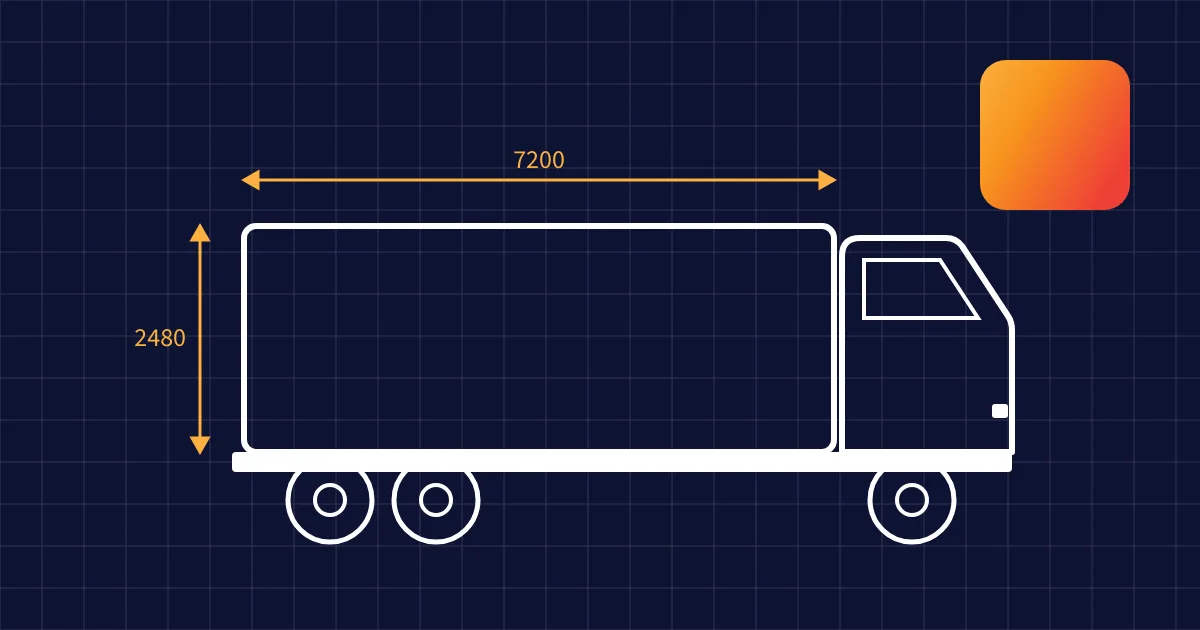
- Box dimensions: length, width, side height
- Side and floor material: aluminium, steel, plywood, chequer plate
- Equipment: tilt, loader crane, tail lift, toolbox
- Chassis: GVW, wheelbase
Frequently asked questions
Which dropside body suits building materials?
Usually a dropside with steel or reinforced sides, often with a loader crane for unloading on site.
Does a dropside with a loader crane need extra paperwork?
In Poland, yes: the crane is under technical supervision (UDT), and its fitness document is needed for the vehicle's roadworthiness test. Other countries have their own inspection rules.
Aluminium or steel sides?
Aluminium is lighter and does not corrode. Steel handles impacts and heavy loading better.
Sources
- TÜV NORD: Tests of vehicle bodies, DIN EN 12642 (code L and XL)
- EN 1756-1:2021 Tail lifts for goods: safety requirements (CEN, standard record)
Trucklo routes truck bodywork enquiries to manufacturers who build them.