
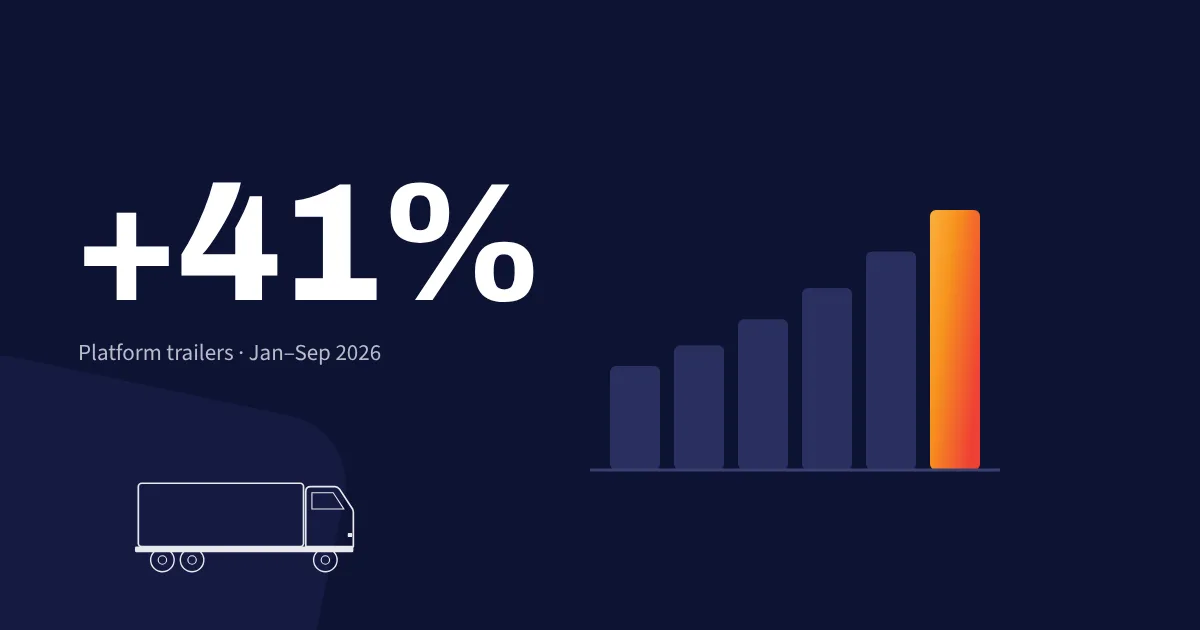
Semi-trailers in Poland 2025–2026: platforms up, reefers and tippers down
Which trailer bodies are registered more often and which less. PZPM data for 2025 and the first three quarters of 2026.
Guides, comparisons and checklists for transport companies ordering bodywork and for manufacturers who build it.
Which trailer bodies are registered more often and which less. PZPM data for 2025 and the first three quarters of 2026.
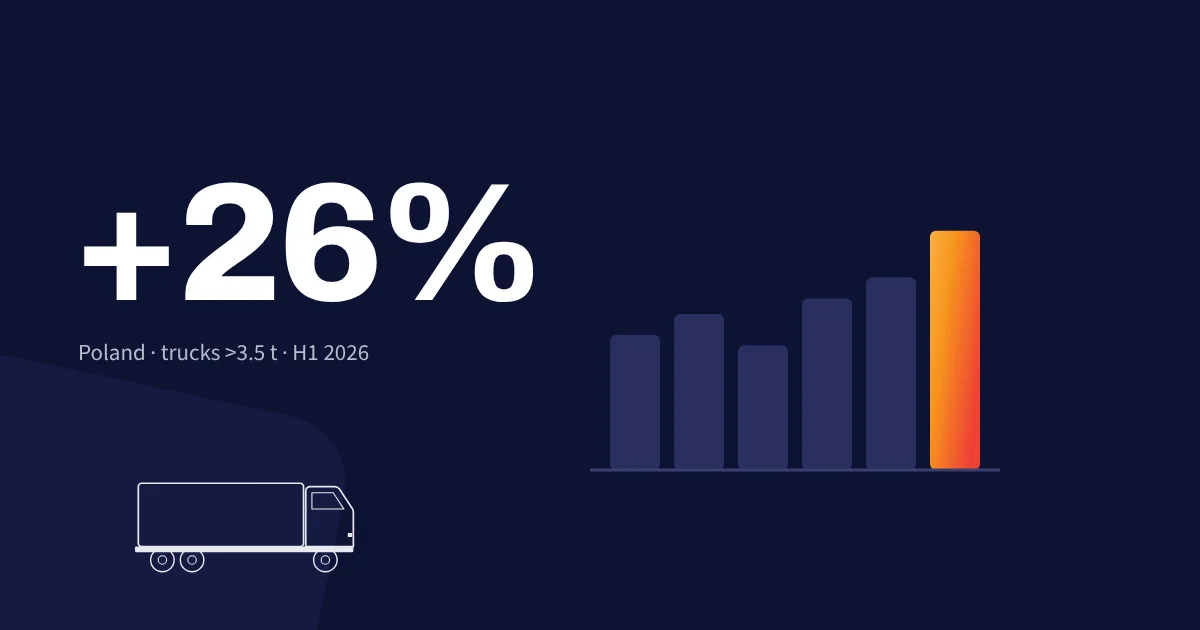
ACEA and PZPM data on new vehicle registrations above 3.5 t, and what they mean for companies ordering truck bodies.
Read more →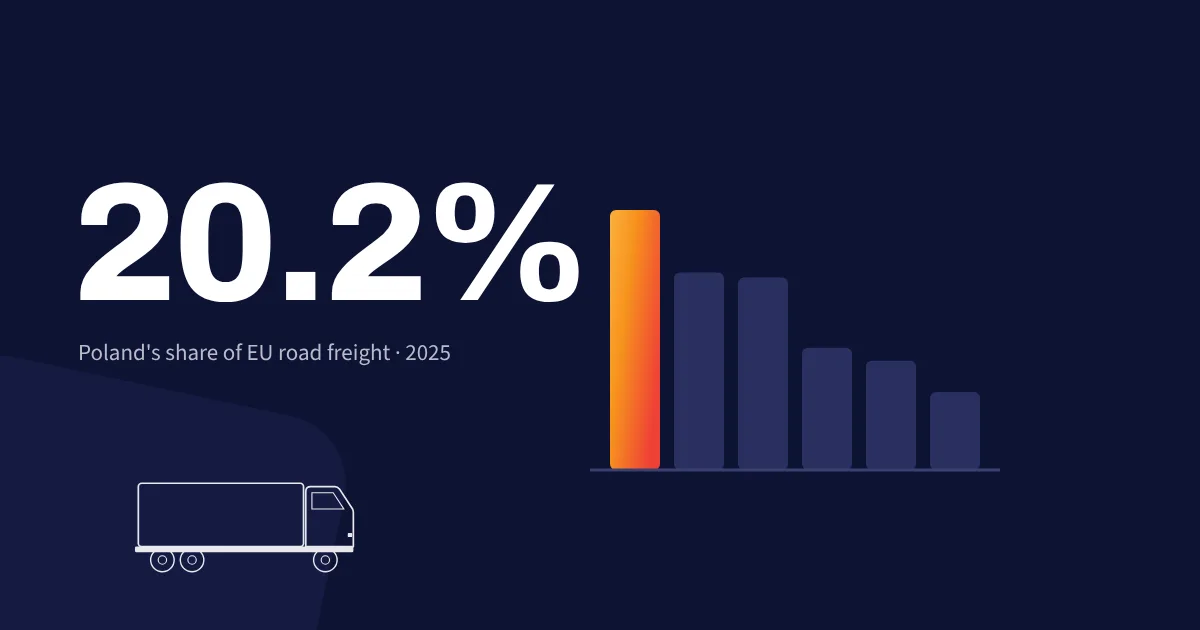
Eurostat data on freight volumes, cargo types and international haulage. And the takeaways for demand for curtainsiders, reefers and box bodies.
Read more →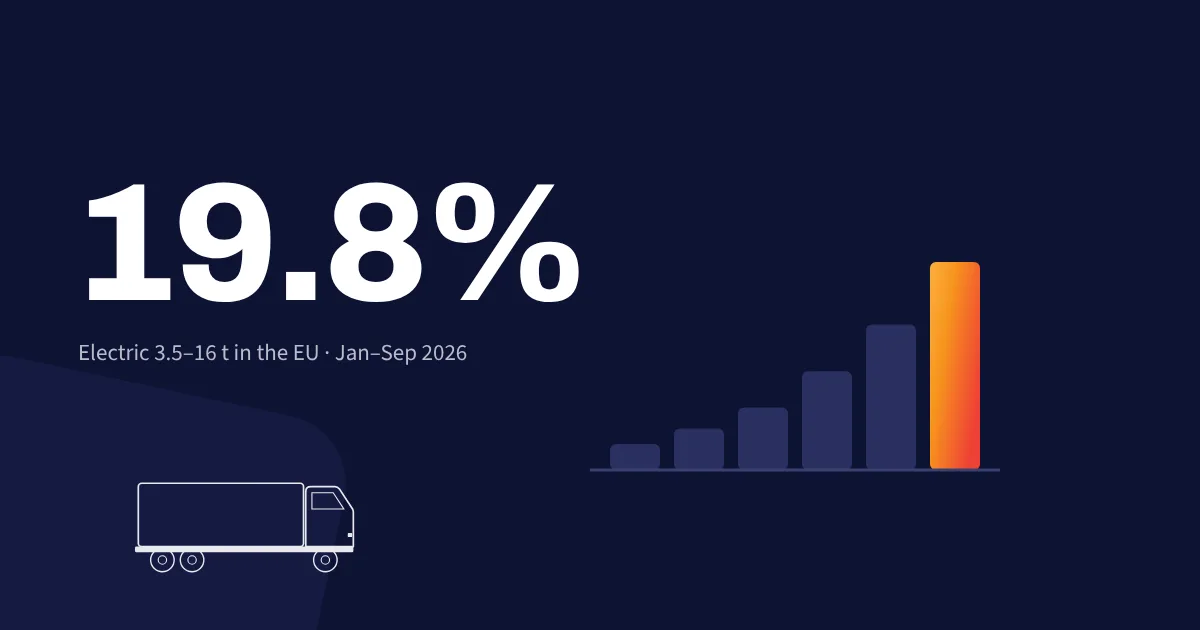
The share of electric trucks, CO2 targets for vehicles and trailers, and the ongoing work on weight limits. Plus what it means for a body specification.
Read more →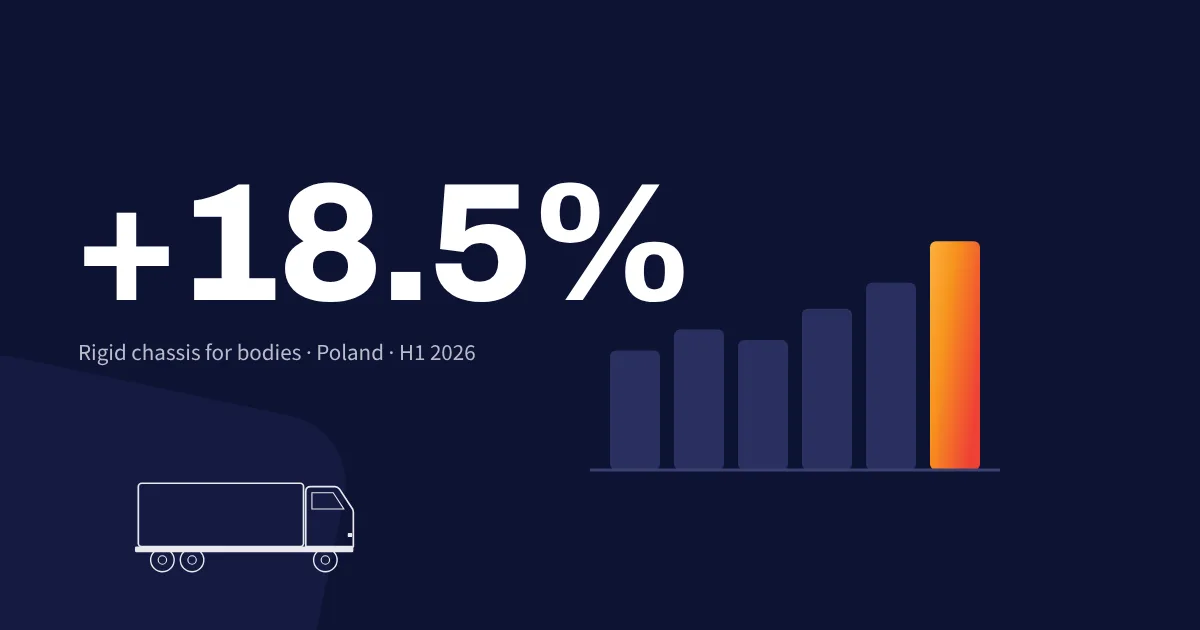
More chassis for bodies, a changing trailer mix and electrified distribution. PZPM and ACEA data with takeaways for builders' product ranges.
Read more →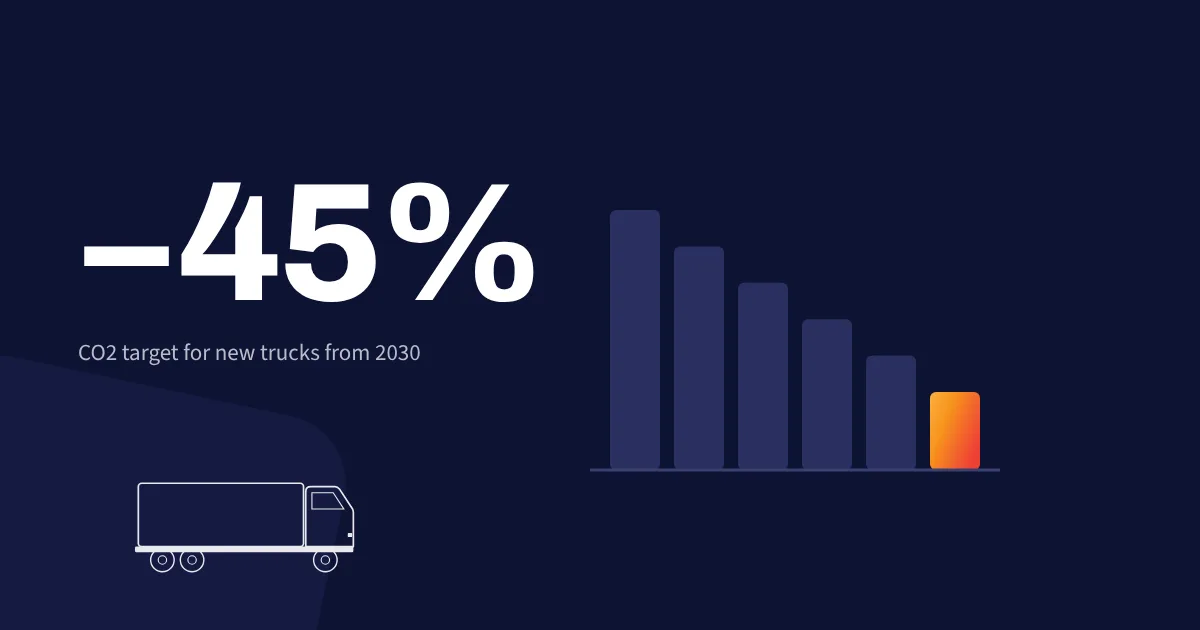
CO2 standards from 2030, electric chassis in distribution, the new Machinery Regulation and Euro 7. A timeline and what it means for bodies.
Read more →
The body builder's view: response time, a complete quote and what buyers compare before deciding.
Read more →
Two container-exchange systems, different containers and different uses. Mechanism, standards, site work and what to put in an enquiry.
Read more →
The ten most frequently ordered truck bodies, what each one is for, the specs that matter and the data a body builder needs in an enquiry.
Read more →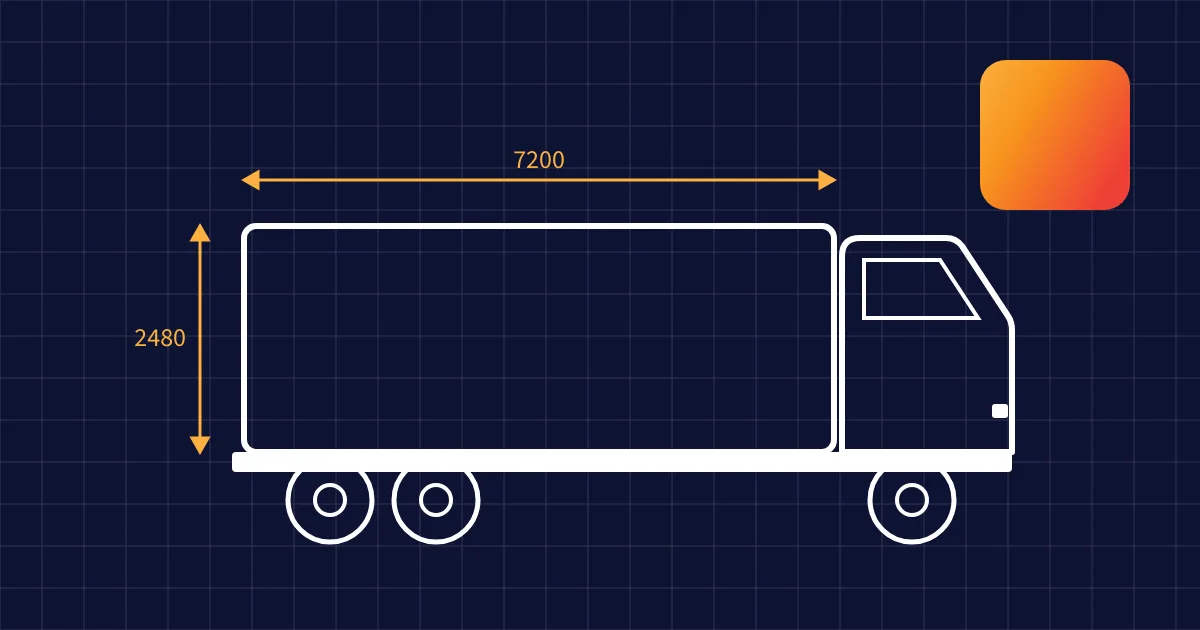
What a body builder needs to know to quote on the first pass. A checklist and an enquiry template to copy.
Read more →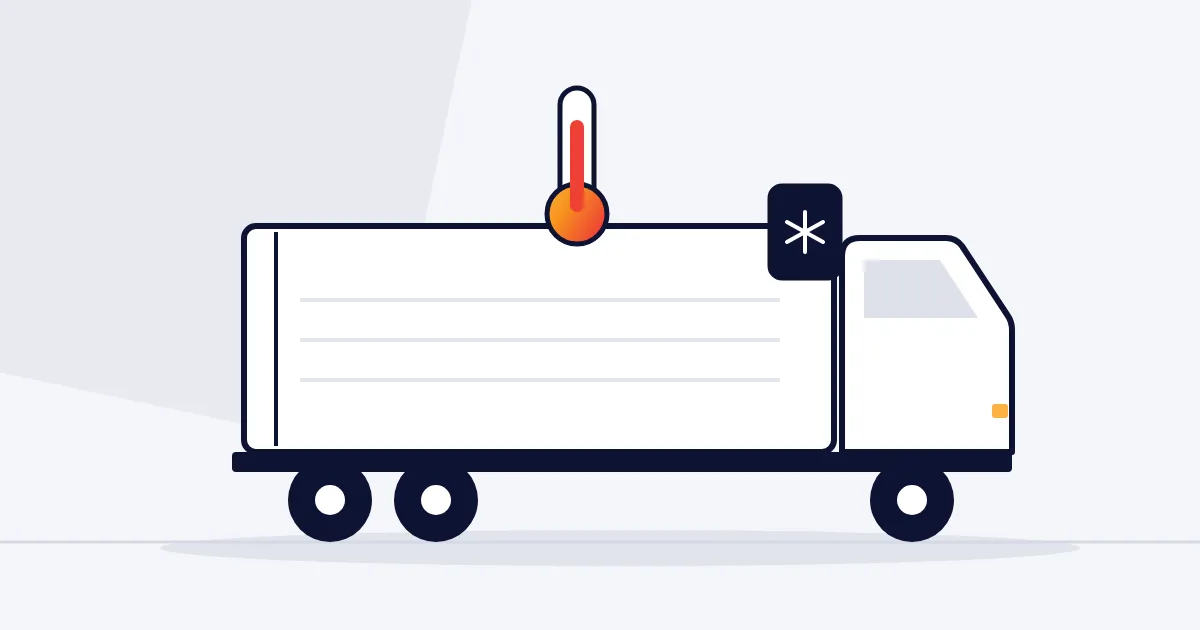
How to read an ATP marking such as FRC, how insulated and refrigerated bodies differ, and when the certificate must be renewed.
Read more →
One place for enquiries, pipeline stages, response time and loss reasons. How to bring order to body sales without a heavy system at the start.
Read more →
A step-by-step claims process, statutory liability and warranty in B2B, root cause analysis and service organisation. How a claim can lead to the next order.
Read more →
Value stream mapping, the seven wastes, 5S, standard work and standard modules. How to bring lean into a plant that builds to order.
Read more →
Markup versus margin, cost-based and value-based pricing, options, rush premiums, discounts and payment terms. How to set prices that do not eat your profit.
Read more →
Materials, labour, components, subcontractors, overheads and warranty. How to calculate the full cost of a body and check it against reality afterwards.
Read more →
Vehicle approval, document language, ATP and ADR, VAT on supplies to other EU countries, and service. A checklist before your first order from abroad.
Read more →
ADR 2027, the Machinery Regulation, Euro 7, CO2 targets for trailers, F-gases and vehicle weights. A timeline and how to prepare.
Read more →
EN 12642, EN 12195-1, EN 1756-1, EN 12999, EN 12830, ATP, ADR and Directive 96/53/EC. What each covers and where it matters.
Read more →
What a body builder is responsible for in multi-stage type approval, which documents to prepare and what the Machinery Regulation changes from 2027.
Read more →
Goals, costs, enquiries and orders. How to prepare for a fair, what to do afterwards and how to check whether it paid off.
Read more →
Spec sheets, buying guides, case studies and answers to common questions. Which content helps sell bodies and how to produce it.
Read more →
How buyers search for bodies, which pages a builder needs, what is technically essential and how to measure SEO results.
Read more →
Your website, used-vehicle portals, LinkedIn and enquiry-routing systems. How each channel works and which fits bodies built to order.
Read more →
Referrals, dealers, trade fairs, your website, portals and enquiry-routing systems. How to compare enquiry sources and spot a lead you can quote.
Read more →
Cleaning, drying, batteries, the refrigeration unit and ATP. What to do before a lay-up, during it and before going back to work.
Read more →
Galvanising, e-coating, powder coating, material choice and a design with no water traps. Plus parts that protect the body from impacts.
Read more →
Hydraulics, tail lifts, doors, refrigeration units, insulation and curtains. Typical faults, their causes and simple ways to stop them recurring.
Read more →
Daily checks, periodic services and statutory deadlines. A sample maintenance plan and how to document the work.
Read more →
Aluminium, composites, sandwich panels and well-chosen equipment. Where a body can lose kilograms and what that means for durability.
Read more →
Temperature, door openings, unit status, location and equipment use. What body monitoring gives you, which rules apply and what to ask a supplier.
Read more →
Who covers the chassis, the body and the equipment, how a warranty differs from statutory liability and what to ask about service.
Read more →
Contract, invoice, acceptance report, technical documents, registration and insurance. What needs doing and in what order.
Read more →
Wheelbase, power take-off, electrical interface, tanks and logistics. What to agree before you order the chassis.
Read more →
Payments, lead time, warranty, service, documents and equipment. What negotiations with a body builder cover and what to put in the contract.
Read more →
What a quote should contain, how to line up several quotes item by item and what to ask before choosing a builder.
Read more →
Search engines, referrals, chassis dealers, trade fairs, used-vehicle portals and a manufacturer list. What each source gives you and where it stops.
Read more →
Fit, lead time, warranty, documents and price. When a new body pays off and when a used one is a sensible choice.
Read more →
Multi-stage type approval, additional roadworthiness tests and documents that depend on the body type. What to check before you take delivery.
Read more →
Similar builds, documents, production, company standing and service. Five areas to check before you sign the contract.
Read more →
What a body price is made of, where you can save without risk and which savings come back as running costs.
Read more →
Medicines, food, electronics, artwork. Temperature, shocks, moisture and theft are the four risks the body has to limit.
Read more →
GVW, payload, wheelbase and driving licence category. How to pair a body with a chassis so that the vehicle carries what it needs to.
Read more →
Tankers, ADR bodies, car transporters, refuse bodies and mobile workshops. When a vehicle needs a certificate of approval and what that means when ordering.
Read more →
Tipping direction, box shape and material, ram position. The specs that decide whether a tipper survives site work.
Read more →
A closed box for general cargo, pallets and parcels. Walls, doors, tail lift and strength, the specs that decide how practical the body is.
Read more →
A dropside box with or without a tilt, with a loader crane, or a flatbed with no sides. Which variants exist and what decides the choice.
Read more →
Both bodies have insulated walls, but only one actively cools. A comparison of construction, ATP classes, costs and uses.
Read more →
Insulated walls, a refrigeration unit and an ATP class. What a reefer body is made of, how it differs from an insulated body and which loads require it.
Read more →New guides, regulation changes and bodywork deadlines. No ads.